
Welcome to the Pueblo County Early Childhood Resource page. This page provides resources for parents and caregivers of young children in Pueblo County to help care and nurture the community’s youth.
It's important to promote physical and emotional wellness for young people by helping them to:
- Learn what a healthy relationship looks like.
- Identify personal relationship standards.
- Effectively communicate these standards to others.
This webpage is updated monthly. To suggest information to include, please email [email protected].
Job Board
Looking for employment caring for children? Check our job board for Early Childhood Job Opportunities in Pueblo County, CO.

The Children First Department @ Pueblo Community College host's a weekly podcast discussing all things early childhood (prenatal – 8yrs). The Department's motto is ‘Your leader in Early childhood information’.
Prenatal
The prenatal period sets the stage for a child’s healthy start in this world. Taking care of yourself and your unborn baby while pregnant through regular prenatal care visits and making healthy choices can set both up for success after birth. It will also help a child’s ability to eat, move, grow, communicate, socialize, and learn once born.
Family Planning
Family Planning includes planning pregnancies, including the time between pregnancies, and preventing unwanted pregnancies by using a contraceptive method, such as birth control. Family Planning also includes physical and emotional health associated with sexuality.
Physical health can be improved by:
- Eating healthy, well-balanced meals.
- Engaging in routine exercise.
- Avoiding use of nicotine-containing products, drugs, and alcohol.
- Being aware of the risk for breast and cervical cancer.
- Obtaining routine health screenings.
- Being aware of the risk for sexually transmitted infections (STIs) and receiving testing or treatment when appropriate.
Individuals that are emotionally healthy with their sexuality:
- Communicate openly with partners.
- Observe and honor sexual rights of others.
Visit the Pueblo Department of Public Health and Environment’s Go Ask Tara website for information about sexual health, birth control, STIs, and pregnancy for young people and adults.
Family Planning and Pre-Pregnancy Counseling
Clinic Hours:
Monday, Tuesday, Thursday and Friday: 8:00 AM – 4:30 PM
Wednesday : 9:00 AM – 3:00 PM
Clinic appointments can be made by calling 719-583-4380.
Learn more →Special Supplemental Nutrition Program for Women, Infants and Children (WIC)
Whether pregnant, postpartum or raising a child younger than five, you can receive nutrition education, breastfeeding support, free healthy foods and referrals healthcare/community resources.
Apply for WIC at coloradowicsignup.org
Learn more →Go Ask Tara
Learn more →Birth (0–2 Years Old)
The weeks and months after delivery can bring questions for even the most experienced parents. During this time, parents should focus on four basics: self-care, sleep, feeding, and bonding with the baby. Although these seem easy to remember, sometimes parents need support and help figuring things out. Don’t be afraid to seek help, whether baby-related or personal.
Birth Certificates
Applications and Certificates can be obtained with appropriate identification and proof of relationship at the Pueblo Vital Records Office.
Learn more →Special Supplemental Nutrition Program for Women, Infants and Children (WIC)
Whether pregnant, postpartum or raising a child younger than five, you can receive nutrition education, breastfeeding support, free healthy foods and referrals healthcare/community resources.
Apply for WIC at coloradowicsignup.org
Learn more →CDC Milestone Tracker App
Milestones matter. Track your child’s milestones from age two months to five years with the Center for Disease Control’s (CDC) easy-to-use illustrated checklists. Get tips for encouraging your child’s development and find out what to do if ever concerned about their development.
Learn more →Ages and Stages
Provides reliable, accurate developmental and social-emotional screening for children between birth and age six. Drawing on parents’ expert knowledge, Ages and Stages Questionnaire (ASQ) has been designed to pinpoint developmental progress and help catch delays in young children—paving the way for meaningful next steps in learning, intervention, or monitoring.
Learn more →Car Seat Fitting and Drive Safe Support Pueblo
Learn more →NTSOC ABA Therapy
Nursing & Therapy Service of Colorado’s ABA program focuses on trauma-informed care in collaboration with existing therapies that uses a naturalistic, play-based format while teaching functional communication, social, and coping skills.
Applied Behavior Analysis Therapy is considered the “gold standard therapy” for helping people with developmental disorders gain new skills and reduce unsafe behaviors. NTSOC’s ABA therapy branch is provided in-home or in the community, based on the needs of your child.
Learn more →Lead Prevention Program
According to the Center for Disease Control (CDC), there are at least four million households with children that are being exposed to high levels of lead. Visit the page for information on where to locate lead in and around the home, how to test for lead, and how to reduce risks.
Learn more →Love, Laugh & Leche
Love, Laugh and Leche group is for all breastfeeding moms or moms planning to breastfeed as well as their support persons. Join the in-person group for fun activities, information on breastfeeding, support and access to breastfeeding professionals.
Learn more →Safe Sleep for Babies
Every year there are thousands of sleep-related deaths among babies. Learn how to help prevent this.
Learn more →Children with Special Healthcare Needs
Health care professionals support families to manage a wide range of questions, concerns, and services for children with special health care needs. Visit the page for information on eligibility, screening resources, and specialty clinics and services.
Learn more →Vaccinations
Pueblo Department of Public Health and Environment offers low-cost vaccinations to families of children up to age 19 through a program called Vaccines for Children, or the VFC program. This program provides vaccines for children on Medicaid, children who are underinsured or uninsured, or those that are Alaskan Native/American Indian. The health department also offers vaccines to children with CHP+ or private insurance.
Vaccines protect against disease and keep children healthy. Getting vaccinated is an important part of childhood. If vaccines are given according to schedule, children are protected against fourteen different vaccine-preventable diseases by the age of two.
Vaccine-Preventable Diseases
- Chickenpox
- Diphtheria
- Influenza (Flu)
- Haemophilus Influenza B
- Hepatitis A and B
- Human Papillomavirus (HPV)
- Measles
- Meningitis
- Mumps
- Polio
- Pneumonia
- Rotavirus
- Rubella
- Tetanus
- Pertussis (Whooping Cough)
Vaccines for Preteens and Teens
Tdap (tetanus, diphtheria, pertussis) is a required booster for middle school. The first dose of HPV and meningococcal vaccines are recommended for kids between ages 11 and 12. HPV protects against cervical and certain other cancers. Meningococcal conjugate and meningococcal B vaccines protect against meningitis and are recommended for teenagers going to college.
How Vaccines Work
Vaccinations come in two forms: inactivated and live virus.
Inactivated vaccines use the killed version of the virus being vaccinated for. These vaccines cannot cause disease. The child’s immune system is exposed to small doses of the inactive virus, which slowly allows the body to start building protection, or immunity, against that virus.
Live virus vaccines such as measles, mumps, rubella (MMR), and varicella (chickenpox), contain a weakened virus designed to stimulate the child’s immune response.
Vaccines are the safest, most effective way to prevent these diseases from reappearing and spreading again. Minor side effects from shots such as pain at the injection site and low-grade fever are common but resolve quickly and can be treated at home.
Many misconceptions related to vaccines exist. If you have any questions or need further guidance, contact your primary care provider or the health department at 719-583-4380.
Immunization Clinic
Clinic Hours:
Monday and Thursday: 8:00 AM – 12:00 PM
Wednesday, Tuesday and Friday: 8:00 AM – 4:30 PM
Clinic appointments can be made by calling 719-583-4380.
Learn more →Early Childhood - Youth
Forming caring, nurturing relationships and experiences in the early years of life is an important part of raising a child. To help an early learner, talk to them, keep them moving, give them a variety of sensory experiences, and teach them social skills. This combination of activities makes connections in the developing brain, which can lead to success in school and life beyond that. It is important that this is provided by all involved caregivers.
Job Board
Childcare

Universal Preschool (UPK) Colorado
Beginning in the 2023-2024 school year, families in Colorado can receive at least 15 hours per week of free, voluntary preschool for 4 year olds through the Universal Preschool (UPK) Colorado program. 3 year olds with qualifying factors are eligible for 10 free hours per week. UPK Colorado is administered by the newly-created Colorado Department of Early Childhood (CDEC).
Learn more →Colorado Childcare Assistance Program
The Colorado Child Care Assistance Program (CCCAP) helps eligible families pay a portion of childcare costs while they are working, searching for work, or in school. Visit the website for information on eligibility, how to apply, and help choosing a childcare provider.
Learn more →Colorado Childcare Assistance Program
The Colorado Child Care Assistance Program (CCCAP) helps eligible families pay a portion of childcare costs while they are working, searching for work, or in school. Visit the website for information on eligibility, how to apply, and help choosing a childcare provider.
Learn more →Childcare Referral
Learn more →CACFP Participation in Colorado
Provides an opportunity to see whether licensed child care providers serving children birth through five are participating in the Child and Adult Care Food Program (CACFP) across the state. The data used to create this map was from March 2021. Includes overlays of community food deserts and poverty levels.
Learn more →Child Care Aware
The organization leads projects that increase quality and availability of childcare, undertakes research, and advocates for child care policies that positively impact the lives of children and families.
Learn more →Colorado Shines
Colorado Shines is a quality rating and improvement system for Colorado’s licensed early care and learning programs. Using proven methods, it measures quality based on how an early learning program supports children, families, and professionals.
Interactive Map
Use this interactive map to find the perfect childcare fit for your family.
Provider Coaching
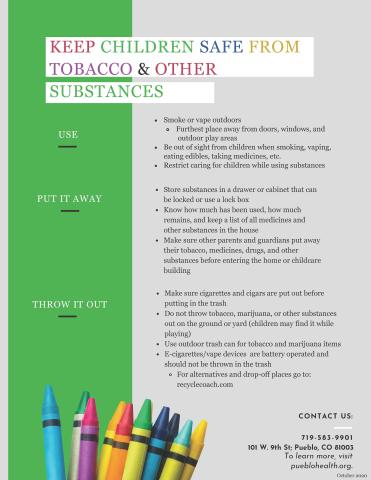
Reach out to Children First for childcare provider coaching, resources, trainings, and regulation guidance. Contact Children First for information on becoming a childcare provider.
Learn more →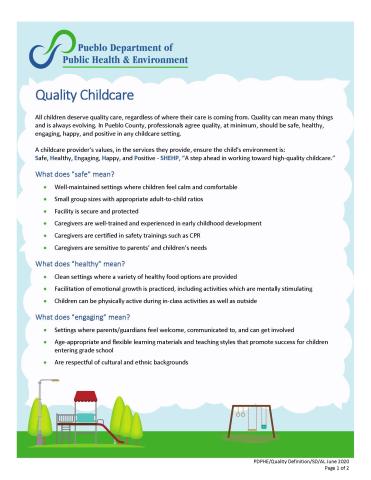
English PDF
English PDF
Childcare Facility Inspections
Childcare facilities include full-day centers, preschools, before and after school programs, and summer camps. Health inspections help reduce risk of exposure to infectious diseases and food-borne illnesses. Visit the page for information on health regulations, breastfeeding in childcare, and trainings for providers.
Learn more →Vaccination Record Guidelines
Childcare centers are required to ensure all enrolled children are up to date on immunizations needed by age. Follow the easy immunization schedule for guidance.
Learn more →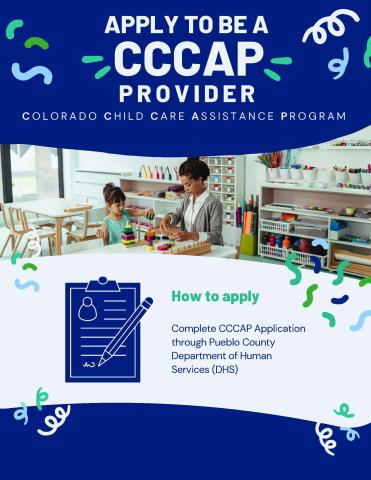
Colorado Child Care Assistance Program (CCCAP) Contracting
If selected as the caregiver for a child enrolled in CCCAP, child care providers have the option to become a CCCAP provider. For more information on this process, visit the website or call 719-225-6865.
Learn more →Mental Health Consultations
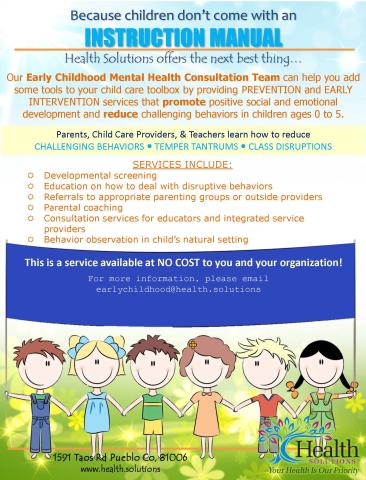
Health Solutions offers no-cost services to help caregivers build skills when working with youth. Email [email protected] for more information on available services and how to get started.
T.E.A.C.H. Early Childhood® Colorado Scholarship Program
The T.E.A.C.H. Early Childhood® Colorado Scholarship Program offers early childhood professionals a pathway to pursue higher education.
Learn more →Want to know how else PDPHE is working on high quality childcare?

Communities That Care (CTC)
Goal: To prevent youth substance use, delinquency, and violence by minimizing negative things in the environment (risk factors) and increasing positive things in a young person’s life (protective factors). Visit the page for youth adviser application, testimonials, and what CTC is doing in the community.
Learn more →Pueblo Early Childhood Council
Visit the website to learn more about council membership and focus areas of the council.
Learn more →How to Open a Childcare Facility
Opening a childcare facility starts the same way whether you plan to run a center or a home-based program. Both begin with Children First, then move through state licensing and local requirements.
Steps for all childcare facilities
- Contact Children First.
Children First serves as the main hub to help you begin the licensing process and understand next steps.
- Apply for a state childcare license.
State licensing is required for both childcare centers and childcare homes.
Additional steps for childcare centers
- Address review by Planning & Zoning.
Children First will share the proposed address with Planning & Zoning to determine required reviews.
- Schedule a development plan review meeting.
This meeting helps identify which departments need to review your plans. There is no cost.
- Apply for a city business license.
A city business license is required for childcare centers.
- Complete required plan reviews.
Reviews may include wastewater, fire, zoning, regional agencies, and the health department.
- Prepare for inspections and possible building updates.
Depending on the condition of the building, there may be additional requirements or costs.
- Health Department inspection.
An in-person inspection is required before opening.
Childcare center fees
| Number of children | Fee |
|---|---|
| 5–15 children | $200 |
| 16–30 children | $175 plus $3 per child |
| 31 or more children | $300 plus $3 per child |
Additional steps for childcare homes
- Apply for a city business license.
A city business license is required for childcare homes.
- Zoning review by Planning & Zoning.
Planning & Zoning will review the zoning request for the home location.
- Possible contact from the Fire Department.
Fire staff may ask basic safety questions such as lighting, visibility, and alarms.
- Possible contact from the Health Department.
This typically applies only to 24-hour childcare homes.
Childcare home fees
| License type | Fee |
|---|---|
| Up to 6 children | $65 |
| Infant / toddler license | $65 |
| Large child care home (7–12 children) | $100 |
| Experienced provider | $100 |
Resources
Community Family Pre-School Resources
School Readiness Programs
Experts say 90% of all brain development occurs by the age of five. Education is very important in the early years as children are at risk of falling behind in kindergarten. Visit the Catholic Charities website for information on Parents as Teachers (PAT) and Home Instruction for Parents of Preschool Youngsters (HIPPY) programs.
Learn more →Boone Migrant Headstart
This program serves children from six weeks to six years old whose families are engaged primarily in agricultural work.
Learn more →Headstart
Operating a federally funded program for low income families with preschool aged children. For more information, call 719-420-0125.
Learn more →Pre-School and Kindergarten
Pueblo City School District 60 Pre-School Eligibility and Application Procedures
El Centro de los Pobres
Provides aid to more than 5,000 families of migrant workers in the Diocese of Pueblo. For more information, call 719-947-3109.
Community Family Resources
Pueblo County Youth and Family Resource Guide
Learn more →Food Access Resources
Visit the Care and Share website for more information on finding food in your neighborhood, how to donate, and local food pantry schedules.
Learn more →Special Supplemental Nutrition Program for Women, Infants and Children (WIC)
Whether pregnant, postpartum or raising a child younger than five, you can receive nutrition education, breastfeeding support, free healthy foods and referrals healthcare/community resources.
Apply for WIC at coloradowicsignup.org
Learn more →Hope for Children
Kinship Family Resource Center offers a variety of supportive services for grandparents raising grandchildren and others who have stepped up to raise children when birth parents are unable or unwilling to provide care.
Learn more →Hope for Children
With funding from the USDA, the Child and Adult Care Food Program (CACFP) improves quality of meals served to kids and adults across Colorado. Funding allows for child care centers, family child care homes, at-risk afterschool programs, Head Start and outside-school-hours programs, adult day care centers, and emergency and homeless shelters to serve healthy snacks and meals.
Learn more →Choose Pueblo
A County-wide collaboration, highlighting events and activities for families in one place
Learn more →Community Family Mental Health and Development Resources
Pueblo Community Health Center
Pueblo Community Health Center (PCHC) offers a Patient-Centered Medical Home for all who seek care. Their practice model emphasizes a personal relationship with a Primary Care Provider (PCP) who leads and coordinates services with the help of a team of professionals. The goal is to offer better care for the patient. Importance is placed on comprehensive, continuous attention to the patient, for improved health outcomes.
Learn more →CDC Developmental Milestones Checklists
Skills such as taking a first step, smiling for the first time, and waving “bye-bye” are called developmental milestones. Children reach milestones in how they play, learn, speak, act, and move (crawling, walking, etc.).
Learn more →Shandy Clinic for Developmental Therapy
This clinic provides children with therapy and brings peace and hope to the family.
Learn more →Early Childhood Therapy Programs
Children and adolescence face challenges at all ages that are unique to genetics, individual development, past experiences, and family culture. Therapists, case managers, and psychiatrists work together to provide services for children between birth and 18 years of age.
Learn more →Pueblo Everyday Heroes
Adults play a big role in setting and outlining clear standards and expectations for behavior, communicating the importance of academic performance, supporting youth in meeting these expectations, and making sure youth share these values. Visit the campaign website for more information on how to get involved.
Learn more →Early Intervention and Family Support Program
The education and support families receive through Early Intervention is the first step in becoming the strongest advocate in a child’s life. This strength and knowledge will continue to serve families as children continue to grow. All services are provided in a natural environment and are designed to follow the daily routines of the child.
Learn more →Community Family Security Resources
Pueblo Child Advocacy Center
The Pueblo Child Advocacy Center's mission is to provide prevention education and a safe environment for an investigation of child abuse.
Learn more →Mariposa Center for Safety
Mariposa Center for Safety provides a 24-hour crisis line which is answered by trained advocates.
The Domestic Violence Crisis Shelter offers emergency refuge, domestic violence counseling, legal advocate assistance and referral, community referral, and court accompaniment. The Domestic Violence Crisis Shelter can only offer housing to and assist women who are victims of domestic violence and their children (including males up to age 17).
Learn more →Community Youth Activities Resources
YMCA
The YMCA seeks to ensure that everyone has the opportunity to participate in programs and services that assist in living fuller, healthier lives. Lower-income youth, teens, seniors, and families throughout the community are provided the opportunity to participate in more programs and services than ever before. Through the Financial Assistance program, the YMCA serves all people regardless of ability to pay. Eligibility is based on total earnings, extenuating circumstances, and available funds.
Learn more →Library District
The library serves as a foundation for the community by offering well-equipped and maintained facilities, outstanding collections, and well-trained employees who provide expert service. The library district offers book and video rentals and family-passes to the zoo and the Children’s Museum.
Learn more →Mentoring Programs
Mentoring is defined as a trusting relationship where a supportive individual provides support, guidance, and encouragement to youth. Mentors are committed to developing a relationship with mentees and helps mentees reach their potential and transition successfully into adulthood. Common types of structured mentoring include group, peer, and one-to-one mentoring. Mentoring programs can also have specific goals including academic achievement, career preparation, or behavior modification.
Learn more →After School Alliance
Afterschool programs keep kids safe, inspire them to learn, and help working families. For every child in a program, two are waiting to get in. After School Alliance is working to change that.
Learn more →