
Pueblo CTC
In August 2016, the Pueblo Department of Public Health and Environment received funding to implement the Communities That Care (CTC) prevention-planning system. Created by the University of Washington’s Social Development Research Group, the CTC system is an evidence-based program for members of a community to work together to promote positive youth development and prevent youth problem behaviors such as substance abuse and violence. Pueblo CTC’s efforts seek to reduce problem behaviors and promote positive behaviors by addressing root causes (risk and protective factors). From decades of research, risk factors have been shown to increase the chances that youth will become involved in problem behaviors while protective factors have been shown to shield the effects of exposure to risk factors.
CTC has community members and young people involved in the work who provide their skill and passion, as well as real-world experience for addressing the needs of young people. CTC’s efforts are possible with the support of public health, education, health and human services, civic organizations, law enforcement, local businesses, and other concerned citizens. These partners are critical in gathering community assets and resources needed to sustain our prevention efforts now and in the future.
vision statement: The Pueblo community strives, through collaborative efforts, to empower youth with opportunities to become healthy, educated, and responsible citizens.
Find out more about the coalition
CTC Monthly Newsletter
Pueblo CTC Process
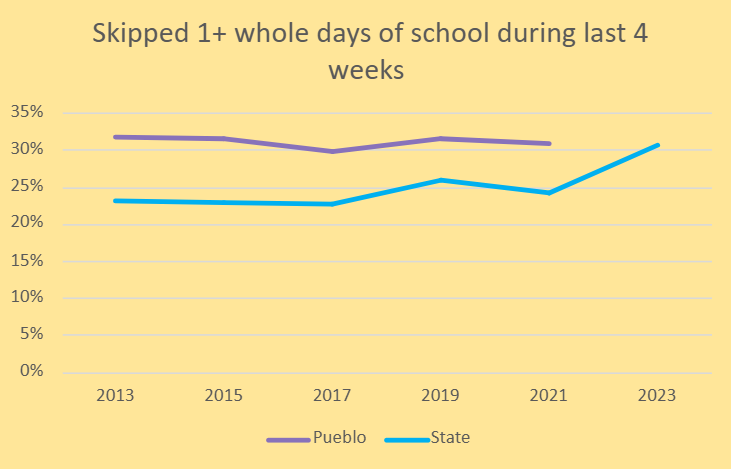
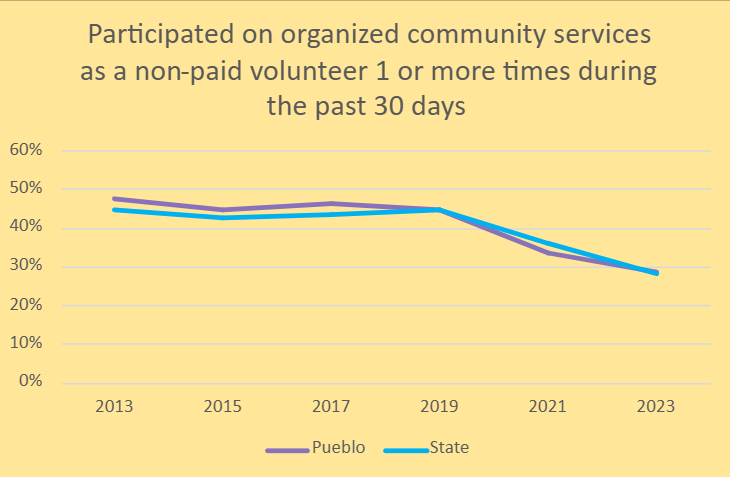
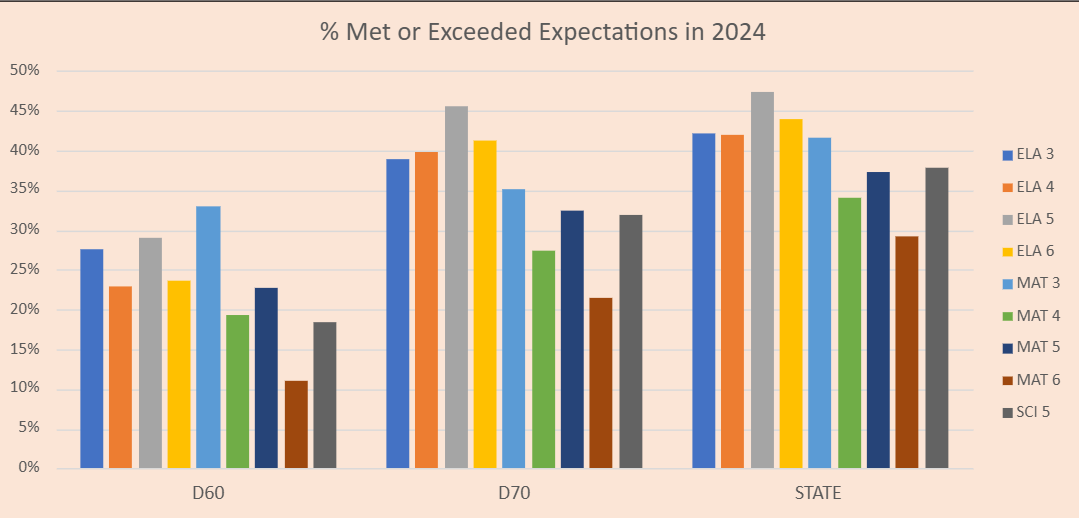
The Pueblo Department of Public Health and Environment received five years of Communities That Care funding from the Colorado Department of Public Health and Environment (CDPHE). The coalition analyzed local-level data to prioritize risk and protective factors (Academic Failure in Late Elementary School- risk factor, and Opportunities for Prosocial Involvement in the Community- protective factor), to prevent youth substance use.
Coalition members wrote potential strategies for community implementation; all strategies were included in a well-researched and evidenced-based Menu of Strategies provided by CDPHE and addressed community-level changes. Based on an extensive local needs assessment around Pueblo's risk/protective factors, the coalition recommended two community-level strategies to be prioritized.
To mitigate academic failure, CTC is working to increase quality childcare (strategy); to increase prosocial opportunities, CTC is working to make community spaces safe and healthier for young people (strategy). The coalition wrote implementation activities, evaluation plans, and funding considerations for each prevention strategy. Implementation plans addressed gaps in community resources or capacity to implement strategies aligned to Pueblo's priority risk and protective factors. The coalition also drafted community-level outcomes to ensure work can be measured.
The coalition successfully implemented the first year of the strategies.
Implementation continued with the strategy teams completing more than 60 activities, and each team completing one of their objectives. In addition, the coalition received a mini-grant from the Colorado Trust to fund a new community mural, assisted in applying for several grants with the City to improve walkability, and completed the grant application for the next five years of CTC funding from the CDPHE.
Implementation continued for the third year. There was a total of 60 CTC meetings with an average of nine coalition members attending each meeting which speaks to the high commitment of coalition members. Given the evidence of community collaboration, strength of the coalition, and affinity of CTC, Pueblo was one of 30 communities in Colorado that was re-funded with another five years of CTC funds from CDPHE.
Implementation continued for the fourth year. There was a total of 49 CTC meetings with an average of nine coalition members attending each meeting. The coalition participated in several skill-building and personal growth opportunities including a training about interpersonal effective communication (i.e., how to have difficult conversations).
Implementation continued for the fifth year. There was a total of 63 CTC meetings with an average of eight coalition members attending each meeting. To build skills to do CTC work, several coalition members participated in monthly workshops facilitated by the Office of Health Equity from CDPHE; coalition members also participated in an advocacy training and positive youth development training.
Implementation continued for the sixth year. There was a total of 66 CTC meetings. CTC hosted several capacity building opportunities for coalition members including an advocacy training and elected official roundtable, monthly equity workshops facilitated by CDPHE, three team building activities, and sent members to the Rocky Mountain Early Childhood Conference.
Implementation continued for the seventh year. There was a total of 58 CTC meetings. CTC hosted several capacity building opportunities for coalition members including a training on how to work with other people/personalities, team building activities, and we sent coalition members to Shared Risk and Protective Factors Conference, Rocky Mountain Early Childhood Conference, and leadership training. Due to budget cuts across the state, CDPHE notified local leadership that CTC’s budget was cut by 38% which significantly impacted staff time dedicated to the program, and activities.
Pueblo was notified that we were awarded with a continued 5 years of CTC funding from CDPHE!
Our Long-Term Outcome Goals
Pueblo’s outcome goal for youth health & behavior: By 2030, youth marijuana use will be reduced by 10%.
- By 2030, CTC will create a cohesive community culture that values education and encourages youth to be engaged academically.
- By 2030, CTC will foster positive relationships in a safe and healthy community where youth have diverse opportunities for rewarding and meaningful experiences.
Why we’re addressing our risk and protective factors
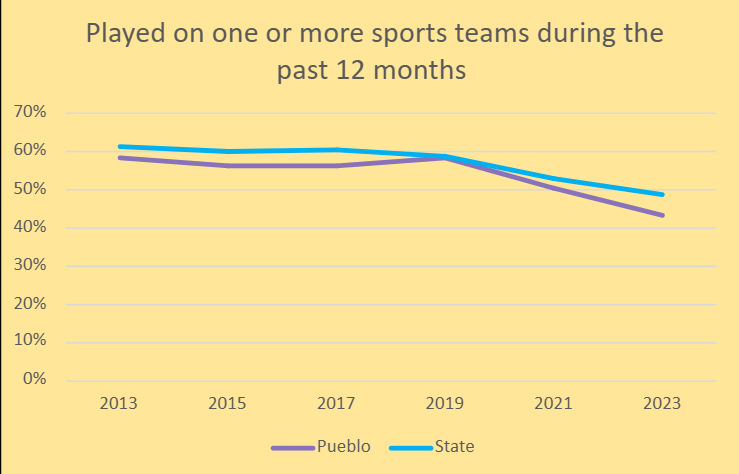
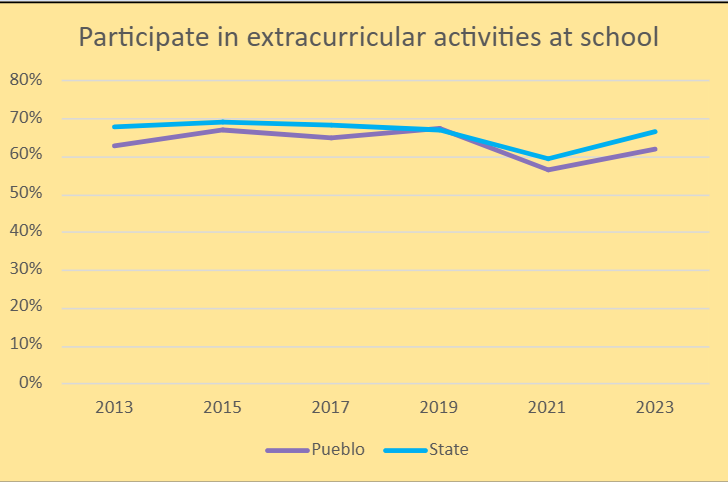
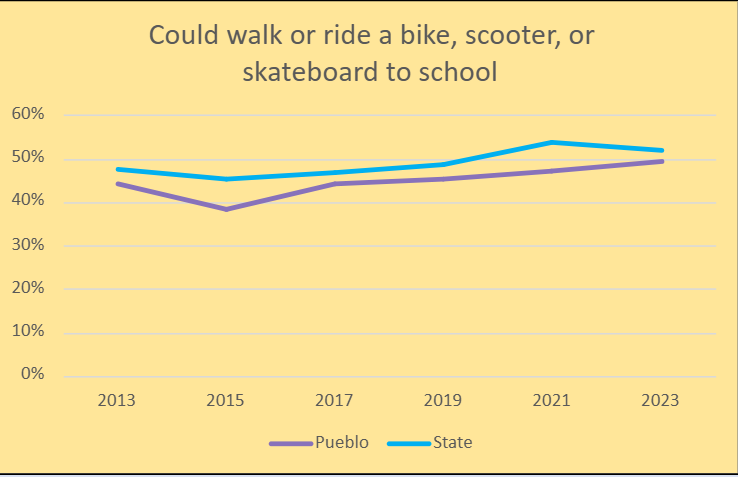
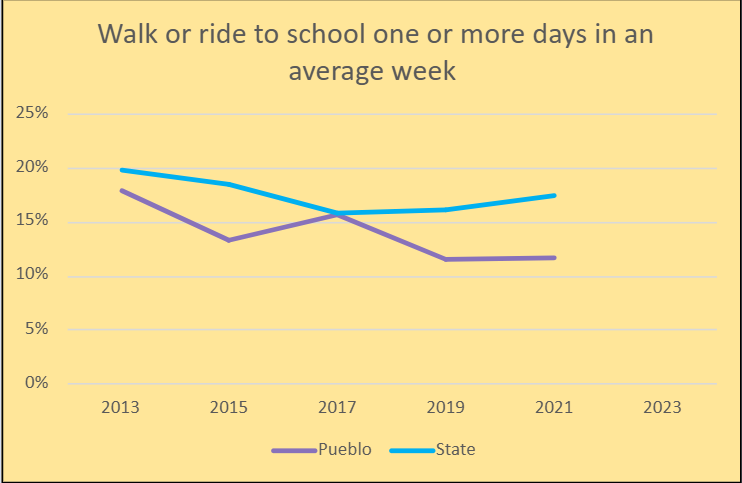
A key goal of CTC is to identify which risk factors, protective factors, and problem behaviors are prevalent in a community, and implement evidence-based programs, policies, and strategies to address the community’s unique profile. Our Data workgroup regularly collects and monitors youth behavioral data to ensure the work is making a positive impact.
How We’re Addressing Youth Substance Use
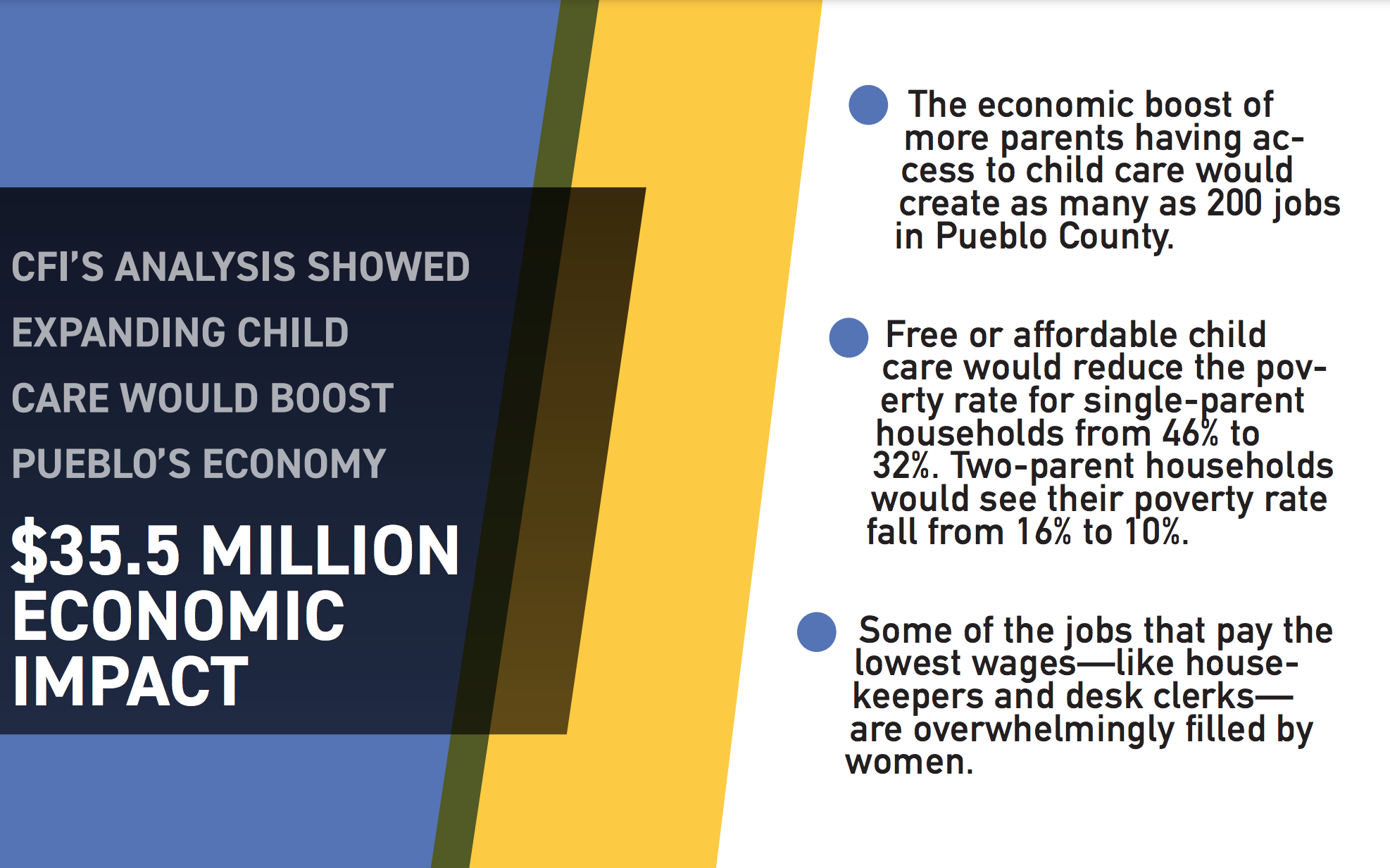
The quality childcare strategy has objectives focused on educating leaders and families on “quality” based on the state quality rating system and, more importantly, extending resources and training opportunities so that more facilities can become quality childcare. The community spaces strategy has objectives focused on making youth spaces and programs more accessible, safer, and incorporating aspects of positive youth development into the community.
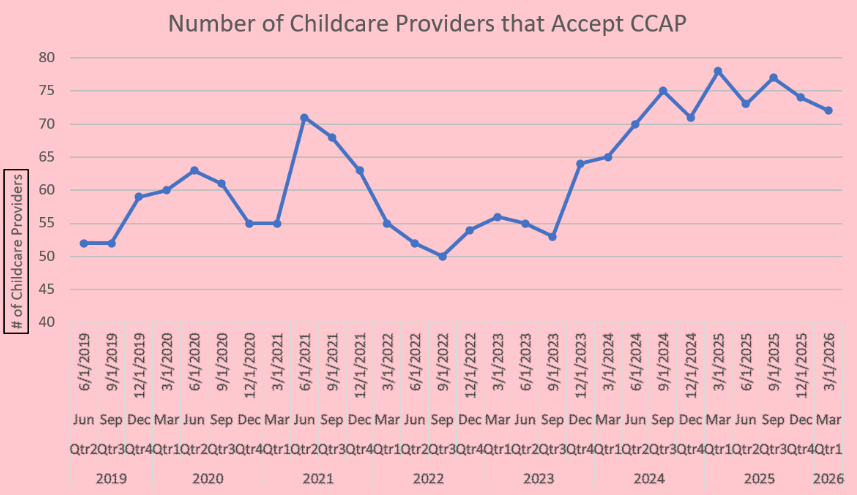
Quality childcare strategy team successes/wins since starting implementation:

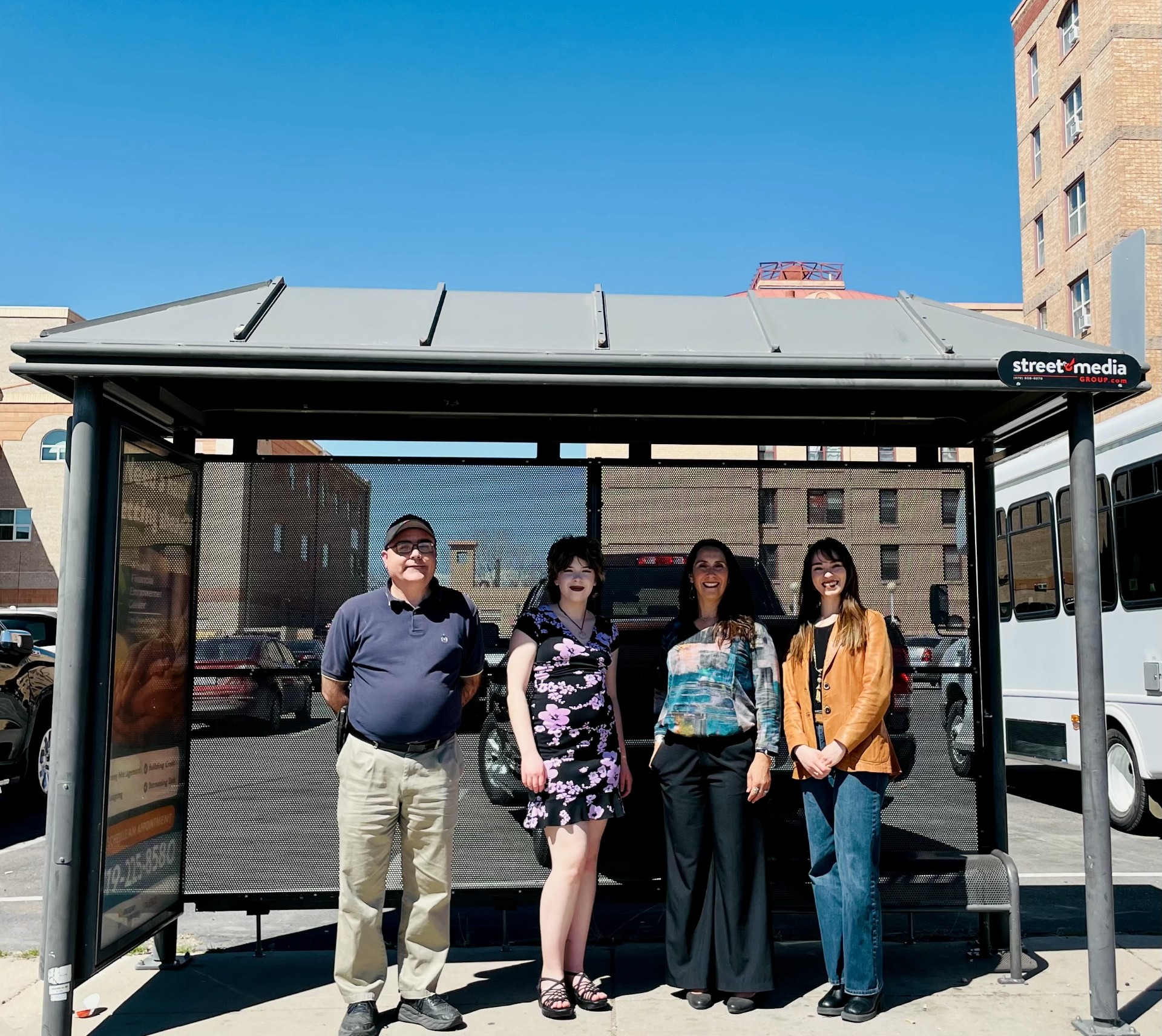
Community spaces strategy team successes/wins since starting implementation:

Quality Childcare Strategy Team
- By December 2025, there will be an increase in the accessibility, availability, and affordability of high-quality childcare.
- By December 2025, there is increased knowledge about safe and healthy childcare environments, as well as an increased utilization of trainings and resources that promote the simple best practices around safe and healthy childcare environments, among Pueblo parents, caregivers, friend, family, and neighbor (FFN) childcare providers, and licensed providers.
- By 2025, there will be a local ballot proposal regarding the reallocation of existing funds going to early childhood.
Community Spaces Strategy Team
- By December 2025, there will be changes to the built environment recommended from completed community scans.
- By December of 2025, there will be a city ordinance(s), law(s) and/or policies which support shared-use routes to increase accessibility and use of youth friendly spaces.
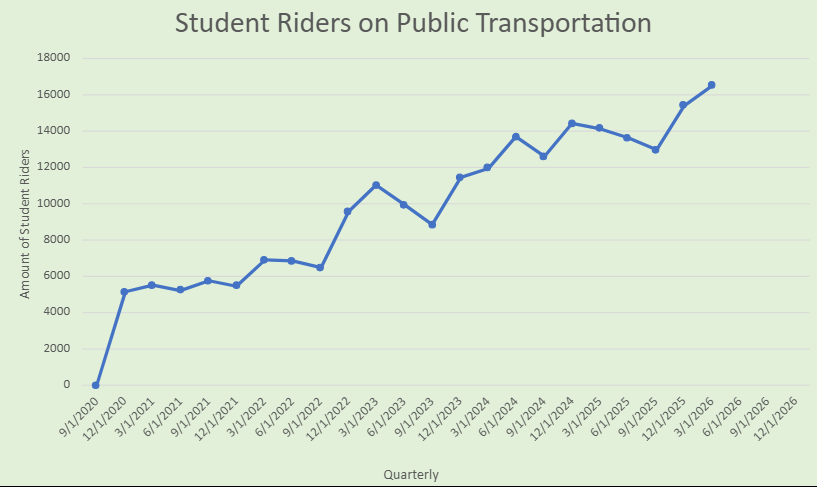
- By December of 2025, there will be policies which support safe and affordable public transportation for youth.
Annual Strategic Reflection Sessions
The annual strategic reflection session has proven to be the most valuable evaluation tool of strategy team efforts. More so, it provides a way for strategy team members to visualize how their efforts have (or have not) shifted capacity in the context of a big picture scale. The annual strategic reflection session occurs every year as a way for strategy teams to evaluate if their work is making meaningful changes in the community.
During the strategic reflection session, team members review the team’s data trends and engage in discussion around their reactions to this data. The team then comes together to reach agreement on how capacity regarding their objectives has or has not changed, and why. The results of this process evaluation are then used to identify priority areas for work in the next year and what work should be included in the implementation plan.
Collective Impact
What is “collective impact”?
A data informed collaboration of community passion, potential, and power from various stakeholders creating a comprehensive support system for the Pueblo Community. The CTC coalitions maintains the 5 conditions of successful collective impact.
The 5 Conditions of Collective Impact
| Common Agenda |
|
| Shared Measurement |
|
| Mutually Reinforcing Activities |
|
| Continuous Communication |
|
| Backbone Support |
|
Our Partners
A community coalition drives all of CTC’s work. The coalition’s ideas, expertise, backgrounds, and passions uniquely contribute to the overall effectiveness of the evidence-based strategies and prioritized risk and protective factors. Below are our coalition partners who go above and beyond in making youth happier and healthier in Pueblo County.
- Pueblo Transit
- Boys and Girls Club of Pueblo County
- Colorado Youth Detention Continuum, formerly SB94
- Pueblo City Parks and Recreation
- Catholic Charities of Southern Colorado
- Pueblo Early Childhood Council
- Mentor Colorado
- Pueblo Mentoring Collaborative
- Pueblo Youth Action Board
Youth Voice is Crucial to Our Work
Positive youth development (PYD) is an approach for adults to use skill building, opportunities, and authentic relationships in programs, practices, and policies so that young people reach their full potential.
CTC puts the principles of PYD into practice by supporting youth advisors focusing on community outreach and youth involvement, and youth advisors focusing on SoCoYoGo. CTC’s youth advisors bring their unique youth voice to the coalition and are integral to guiding the work that CTC does.
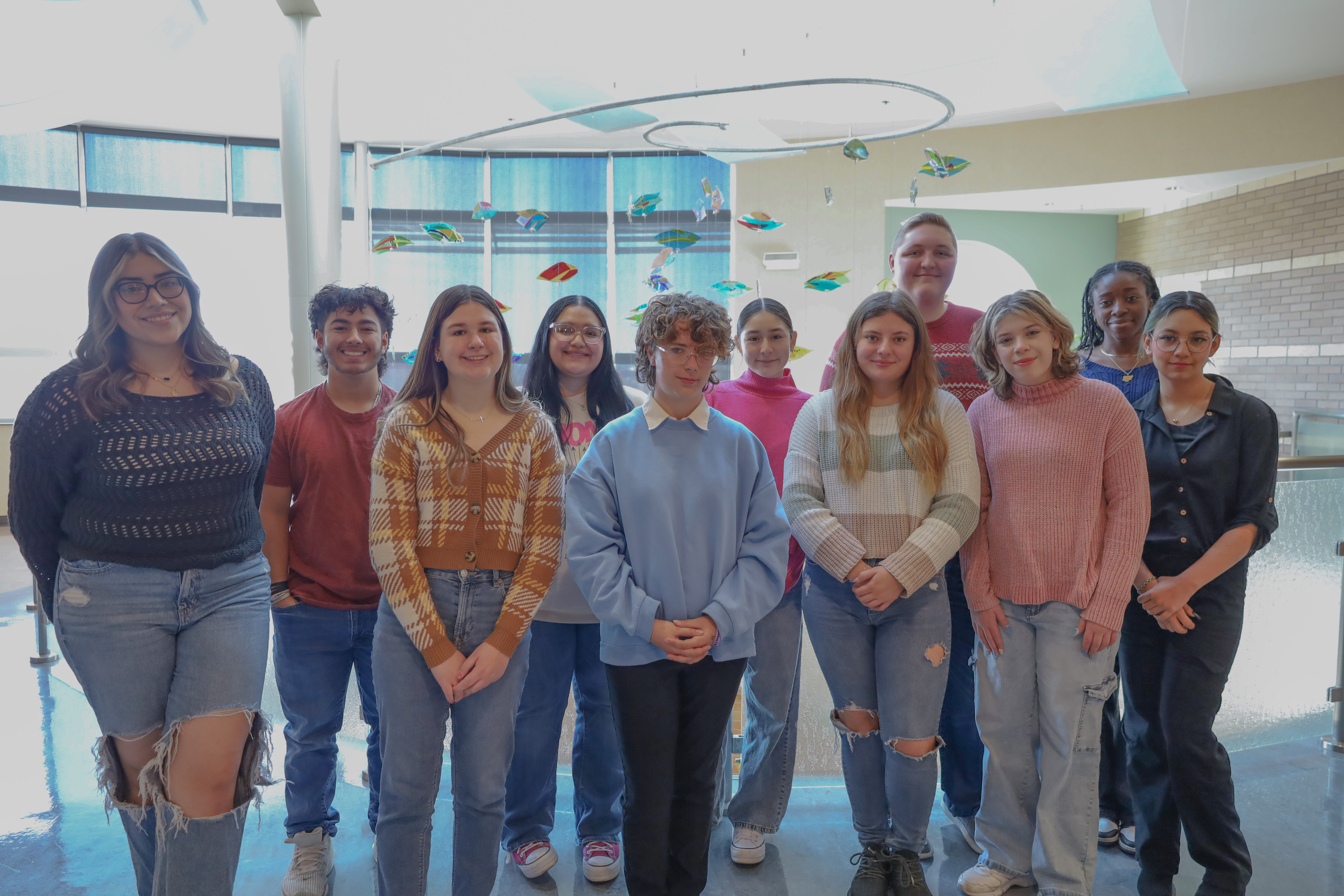
Here are some projects that the youth advisors have led over the years:
- Planned a slam poetry night that was teen-driven.
- Hosted a competition for high schoolers to create a video about teen substance use/mental health.
- Hosted several chalk walks where community members and youth chalked positive messages about Pueblo and youth (the last one was in Neon Alley).
- Represented Pueblo in statewide commercials for Colorado Crisis Line.
- Spoke at a variety of conferences on how to get involved in the community and how important youth voice is.
- Painted a Pueblo Strong mural in downtown Pueblo, near the Olde Town Carriage House.
- Provided youth voice in various City projects (like the transportation system and where youth hang out in the City).
- Created a mini-grant process for local youth-serving agencies; youth advisors had the opportunity to build their grant writing and philanthropy skills by awarding over $128,000 to local nonprofits.
Additionally, CTC coalition members host a PYD training every year to train more community members in how to best engage with youth in their life. To ask about PYD training or how to best incorporate PYD in your agency, contact Becky Medina ([email protected]) for support.
Keep up to date with what the youth advisers are working on by following them on social media at Pueblo Youth Voices.
Our Passion & Purpose Behind This Work
CTC is committed to fostering a supportive, enriching coalition and creatively addresses root issues for youth and adults in Pueblo County. CTC does this by bringing together youth and adults to collaborate on evidence-based strategies to decrease risk factors and increase protective factors in a young person’s life.
“How we currently integrate this approach into CTC work”
Executive Committee & Funding Sustainability
The Pueblo CTC Executive Committee chairs of all the coalition's workgroups work hard to look “at the big picture” and guide the coalition towards long-term outcomes and goals. Executive members review the annual coalition health survey to ensure overall well-being of the team, organize collaborative partner meetings when health concerns arise, select and host capacity-building opportunities for coalition and community members, and maintain a strengths-based team approach. In addition to the coalition’s ongoing work, the Executive Committee writes annual reports for the community, which highlight the coalition’s major accomplishments, as well as keeping a pulse on community funding opportunities and active projects.
Executive Committee Members
Becky Medina
Co-Chair of Community Spaces Strategy Team | Chief Operating Officer of Boys & Girls Club of Pueblo County
Becky began her career with Boys & Girls Clubs of Pueblo County in 1994 as a volunteer and became a staff member in 1995. As the Chief Operations Officer, Becky oversees all eight Clubhouse operations, including programming, partnership, and evaluation of the Club’s five core program areas.
In addition to working with BGCPC, she currently is on the Pueblo Mentoring Collaborative Steering Committee, Colorado Department of Education 21st Century Learning Center Advisory Committee and Communities that Care Executive Committee. She has held other roles including the Chair of the Youth Employment Council, member of the Boys & Girls Clubs Professional Association, and Vice President/Newsletter Editor for Southern Colorado Runners Club. She also was the past president for the Pueblo Parks and Recreation Advisory Commission and volunteers in numerous other community activities.
Becky earned her Bachelor of Arts in Environmental Population Organismic Biology from Colorado University – Boulder.
She believes in BGCPC’s mission for several different reasons. Becky truly believes the Club offers the best experience for youth to grow and develop in a safe, supervised environment. The Club staff are mentors to youth and partners with parents and the community. She believes that every day she receives more than she can ever give and if you truly love what you do, you will never work a day in your life.
Brandon Lugo
Co-Chair of the Community Spaces strategy team
Brandon Lugo is a proud Pueblo citizen, raised in the heart of Southern Colorado. A graduate of Pueblo Centennial High School, Brandon continued his education at Pueblo Community College, earning an Associate of General Studies degree in May 2023. He is currently pursuing his Bachelor of Science in Sociology/Criminology at Colorado State University of Pueblo.
Brandon serves as a Case Manager and Youth Services Support Partner with the Colorado Youth Detention Continuum (CYDC) in the 10th Judicial District. His professional journey began in adolescent treatment facilities, where he discovered his passion for supporting youth. This calling led him to a position with the State of Colorado's Division of Youth Services, where he gained valuable experience working with pre-adjudicated youth.
Now with CYDC, Brandon continues to advocate for positive youth development. He is the co-creator of GROW (Giving Respect, Opportunity, and Worth), an innovative mentorship program designed for youth involved in the pre-trial court process. GROW focuses on setting goals and engaging participants in pro-social activities throughout Pueblo and Colorado. In recognition of his efforts, Brandon was a recipient of the 2025 40 Under 40 Emerging Leader Award.
Brandon is deeply committed to strengthening youth and families through meaningful community collaboration. He actively supports several local initiatives, including Communities That Care (CTC) Strategy Team, Pueblo Mentor Collaborative (PMC), and CTC Executive Committee where he works alongside partners to expand opportunities, support prevention efforts, and build positive pathways for young people. Beyond his organizational involvement, Brandon also volunteers as a youth football coach, using sports to teach discipline, teamwork, and confidence. His dedication reflects a passion for creating safe, supportive spaces where youth can thrive.
Angela Shehorn
Chair of Quality Childcare Strategy Team | Director of Children First
Angie Shehorn, Director of the Children First Department of Pueblo Community College which is the home of the Pueblo Early Childhood Council, the Child Care Resource and Referral agency for 11 counties in SE Colorado as well as the Local Coordinating Organization for the Universal Pre-K in 6 of those counties. Her involvement in the early childhood field began with her own children, now grown, and more than 30 years later her passion continues. She works to address challenges facing families through innovative solutions. She holds multiple degrees in early childhood. She serves on the following boards: Kindred Kids Child Advocacy Center (President), Early Childhood Council Leadership Alliance (President) and the Pueblo Executives Partnering to Invest in Children.
Lin Chang
Chair of Data Workgroup
Dr. Lin Chang is an accomplished researcher, educator, and administrator with highly developed analytical and managerial skills that spans across positions across the states. For more than 30 years, she has been a research consultant specializing in providing services on survey design, sampling methods, data collection, statistical analysis, program evaluation, and written/oral reporting. She retired from Colorado State University-Pueblo, where she served as the Director of Institutional Research and Analysis from 2000-2013. She was previously the Assessment Director for Pueblo School District No. 60, in addition to her analytical services for private sectors. She taught psychology, measurement, and research methods at Miami University of Ohio. She was among the first to introduce data-mining technology to institutional research in higher education through case-studies and teaching at national forums. She has a B.A. in Educational Psychology from Fu-Jen University in Taiwan, an M.A. in Agency Counseling, and a Ph.D. in Measurement and Quantitative Methods both from Michigan State University.
In her retirement, Lin continued to contribute her expertise as an evaluator for a Substance Abuse Prevention Program through Crossroads Turning Points, Inc. in Pueblo. She volunteered to several community organizations, including the Pueblo Symphony, Communities That Care, League of Women Voters, and the Women's Foundation of Colorado. When needed, she provides translation services to school district students as well as local institutions.
Eva Cosyleon
Chair of SoCoYoGo Committee | MPO Manager
Eva Cosyleon joined the Pueblo Area Council of Governments, Metropolitan Planning Organization (MPO) in 2020 and in 2022 became the MPO Manager. Before joining the MPO, her knowledge of the multimodal system in Pueblo came from Sunday bike rides with her father through Pueblo’s diverse neighborhoods. The sense of freedom she felt during those rides continued throughout her life living in different cities and countries. These experiences have brought her full circle with the goal to provide safe, connected infrastructure to Pueblo youth and residents. It is because of this goal, that she finds passion in her work with the Communities That Cares Coalition. As the SoCoYoGo chair she strives to make Pueblo’s experiences accessible to all youth through better transportation planning and projects.
Selina Valdez
Chair of Outreach and Youth Involvement Workgroup | Boys and Girls Club Clubhouse Director
Selina is the current Ray Aguilera Teen Center Clubhouse Director and oversees the Emotional Wellness program at the Boys & Girls Club of Pueblo County. She has been involved with CTC for two years. She enjoys the youth who are part of the advisory council and loves to see and support them in helping make a change in the community.
Dulce Lerma
Youth chair of the Outreach and Youth Involvement Workgroup
My name is Dulce, I am 17 years old attending online Dutch Clark Digital. For the past two years as a youth advisor for CTC, I have given input and served as a voice for the youth. I help plan events and participate in team-building activities. I am focused on my passion project that is developing as well as my new duties as youth chair.
CTC has helped me overcome a lot of challenges and has helped and supported my voice as well as the youth. I have found joy in problem solving with fellow team members. I have learned to gather information and how to be culturally aware. CTC has also helped me find my passion in helping the community on a different scale I didn’t think was possible for me.
Through CTC, I have overcome numerous challenges and discovered the power of my own voice. Working alongside my team members, I’ve found genuine joy in collaborative problem solving and have learned how to effectively gather information while remaining culturally aware. CTC has also helped me realize my passion for community service on a scale I previously never thought possible for myself.
Gina Lopez-Ferguson
Director of Place-Based Philanthropy with Caring for Colorado/Packard Fund for Pueblo
Before joining the Caring for Colorado Foundation team, Gina Lopez Ferguson worked as the executive director of TRIO programs at CSU Pueblo and the project director for the TRIO Upward Bound program. Gina brings with her more than 20 years of diverse professional experience in the areas of college access, higher education, and philanthropy/nonprofit sector, including time spent at Colorado State University Pueblo, Pueblo Community College, and El Pomar Foundation.
Gina is also a board-certified Life Coach and is certified to administer the MBTI and True Color assessments. Born and raised in Pueblo, she is passionate about helping to facilitate positive change in the community. Areas of particular interest are social justice, equity, diversity education, college access, k-12 education, mental health and wellness, and poverty and housing. Gina graduated from Colorado College with a bachelor’s degree in anthropology and received her master’s in education from the University of Kansas. She is married to her husband of 18 years, Andrew, with whom she shares two sons. Gina loves her fur babies (two dogs, one cat), life coaching, self-care, food, and all activities that help support a mindful and balanced life.