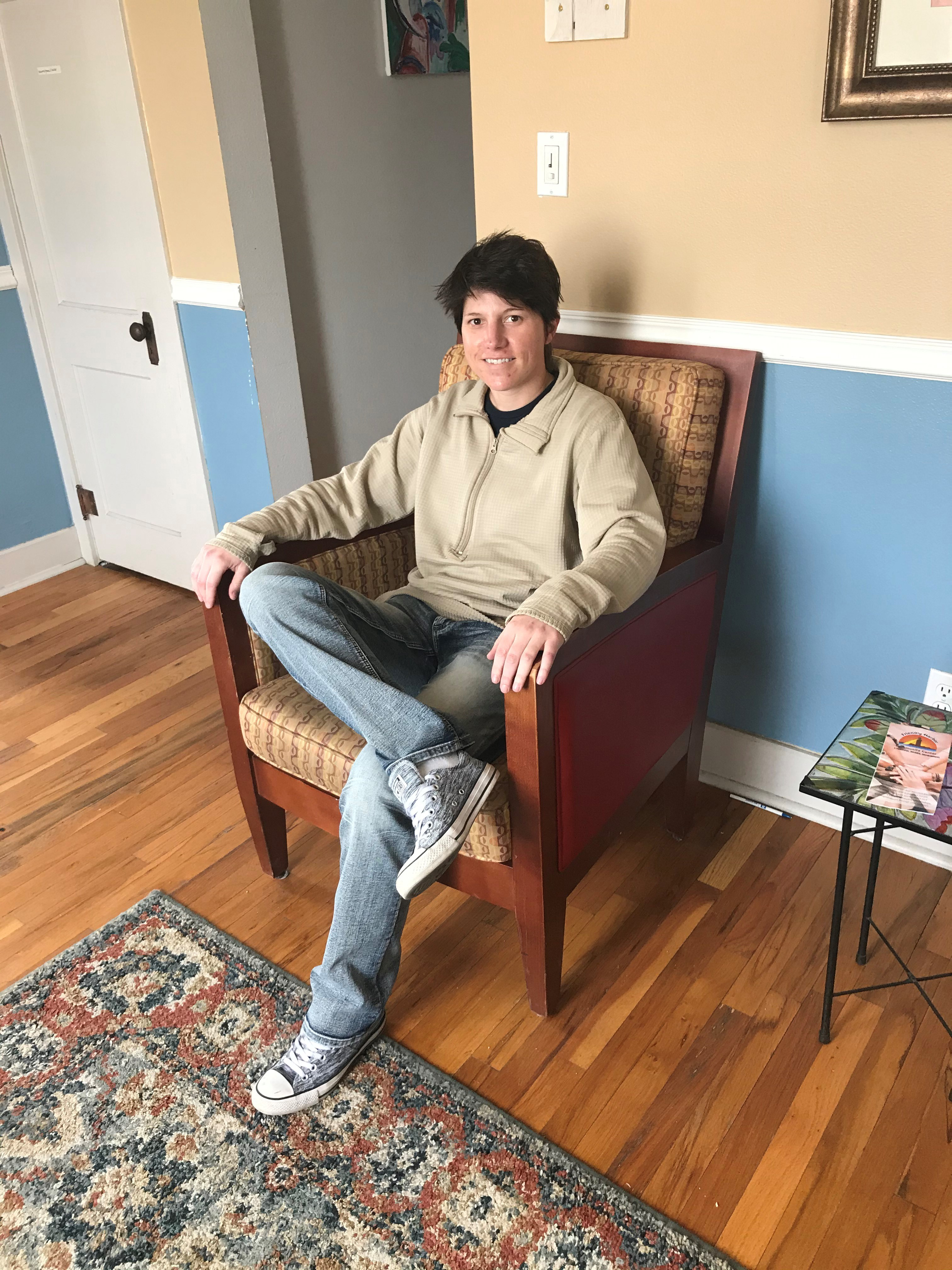
Meet Allen
I've been completely sober for just over 20 months today.
I'm not going to use today.
I'm not going to commit any crimes today.
Today I am going to be strong.
Today I'm going to be sober.
The Clerk & Recorder Motor Vehicle office in Pueblo West and the Drive Thru on Routt will be closed 7/8/2026 through 7/11/2026 as staff are actively helping the Aspen Acres Fire Disaster Assistance Center. Click here to read more.
This happens when the public endorses negative stereotypes and prejudices, resulting in discrimination against people, with mental health conditions. .
Self-Stigma happens when a person with a mental illness or substance-use disorder internalizes public stigma.
Perceived stigma is the belief that others have negative beliefs about people with mental illness or substance use disorders.
This is when a person chooses not to seek treatment to avoid being assigned a stigmatized label. Label avoidance is one of the most harmful forms of stigma.
Stigma by association occurs when the effects of stigma are extended to someone linked to a person with a mental illness or substance use disorder difficulties. This type of stigma is also known as “courtesy stigma” and “associate stigma”.
Institutional policies or other societal structures that result in decreased opportunities for people with mental illness are considered structural stigma.
This takes place any time a health professional allows stereotypes and prejudices about mental illness or substance use disorders to negatively affect a patient's care.
Grappone, G. (2018). Overcoming Stigma | NAMI: National Alliance on Mental Illness. Nami.org. https://www.nami.org/Blogs/NAMI-Blog/October-2018/Overcoming-Stigma
Stigma is the number reason people do not seek treatment for substance use disorders and mental health issues. Stigma is expressed and spread through the use of language. Referring to someone using words such as "Addict," "Junkie," or "Drug Abuser" is dangerous and damaging in ways that people don't even realize. It often happens in the judicial system, treatment centers, and in everyday activities. Stigma often comes from a lack of understanding or fear. However, stigma or the fear of being judged and/or discriminated against can prevent people from getting the help they need.
Pueblo Department of Public Health and Environment (PDPHE), therefore, created an Empower to Recover campaign, which we have called "Your Words Have Power.
The goal of this campaign is to:
Because our mission at PDPHE is to promote and protect the health and environment of Pueblo County with the vision of having a thriving, healthy and safe Pueblo County. PDPHE believes that using words to empower rather than stigmatize and provide our community with resources is how we can reach those goals.
Features unique stories from individuals living in Pueblo County who have previously struggled with substance use disorders and experienced stigma and discrimination but, regardless, have entered the journey to recovery. Now, these individuals tell their stories to empower and encourage others that recovery is possible, and that recovery is a journey rather than a destination.
What we have learned from the Pueblo County Your Word Have Power Campaign is that hearing personal local stories of those in treatment or in recovery supports reducing stigma and lets others know that recovery is possible.
If you are interested in creating a "Your Words Have Power" campaign in your local community, start by accessing our templates and reach out to [email protected] for technical assistance and support.
I've been completely sober for just over 20 months today.
I'm not going to use today.
I'm not going to commit any crimes today.
Today I am going to be strong.
Today I'm going to be sober.
“NO ONE says, I want to be a drug addict and destroy my life.”
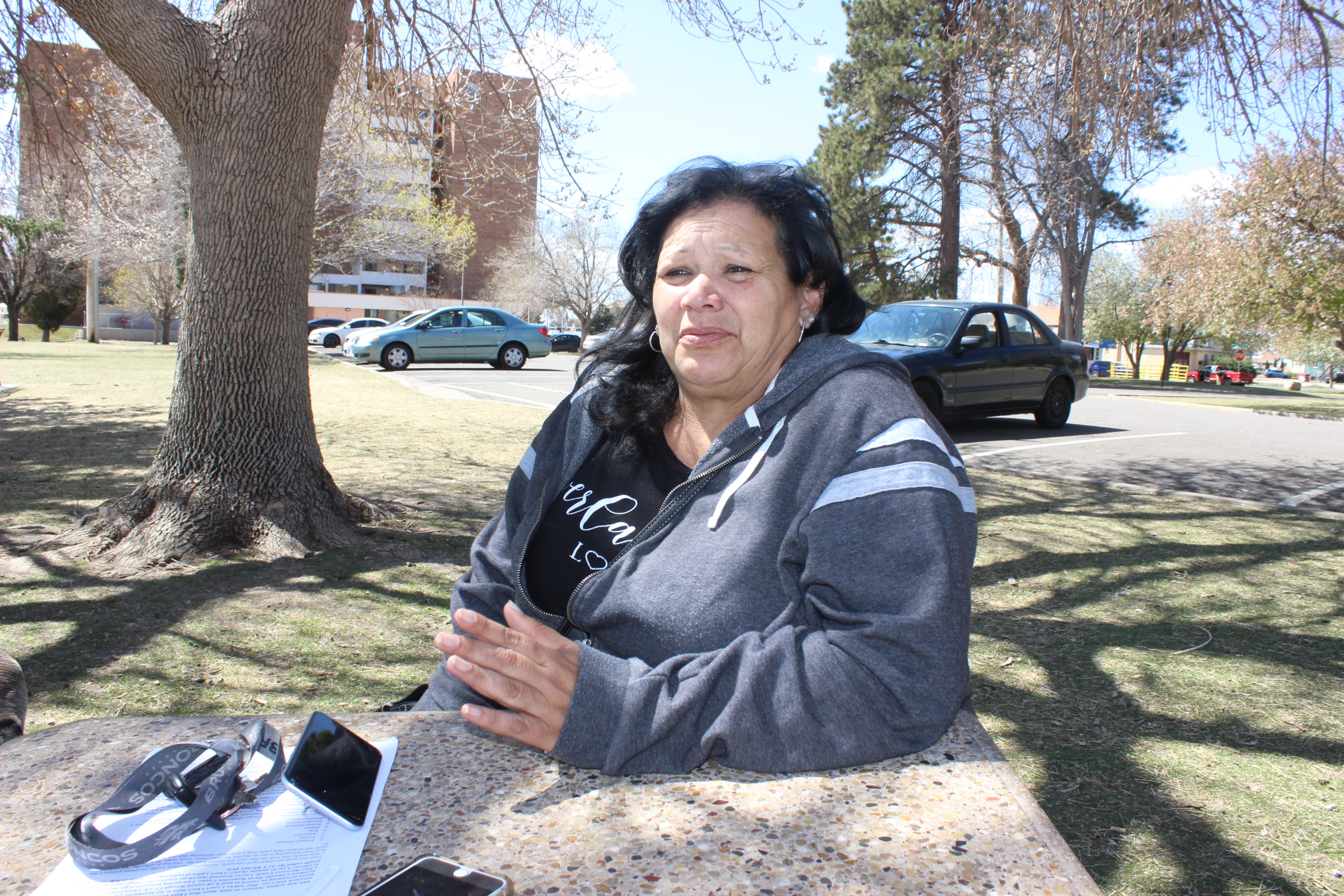
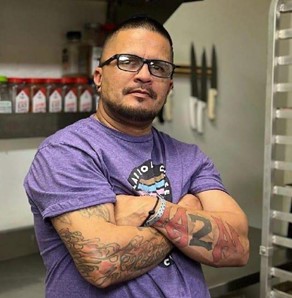
Most of my life I was in a toxic relationship with myself.
Running the streets, fighting, selling drugs, using drugs, going to jail, and eventually ending up at the halfway house.
I blamed everyone but myself, nothing was ever my fault.
“Stigma is a learned behavior… Just treat everyone the same.”
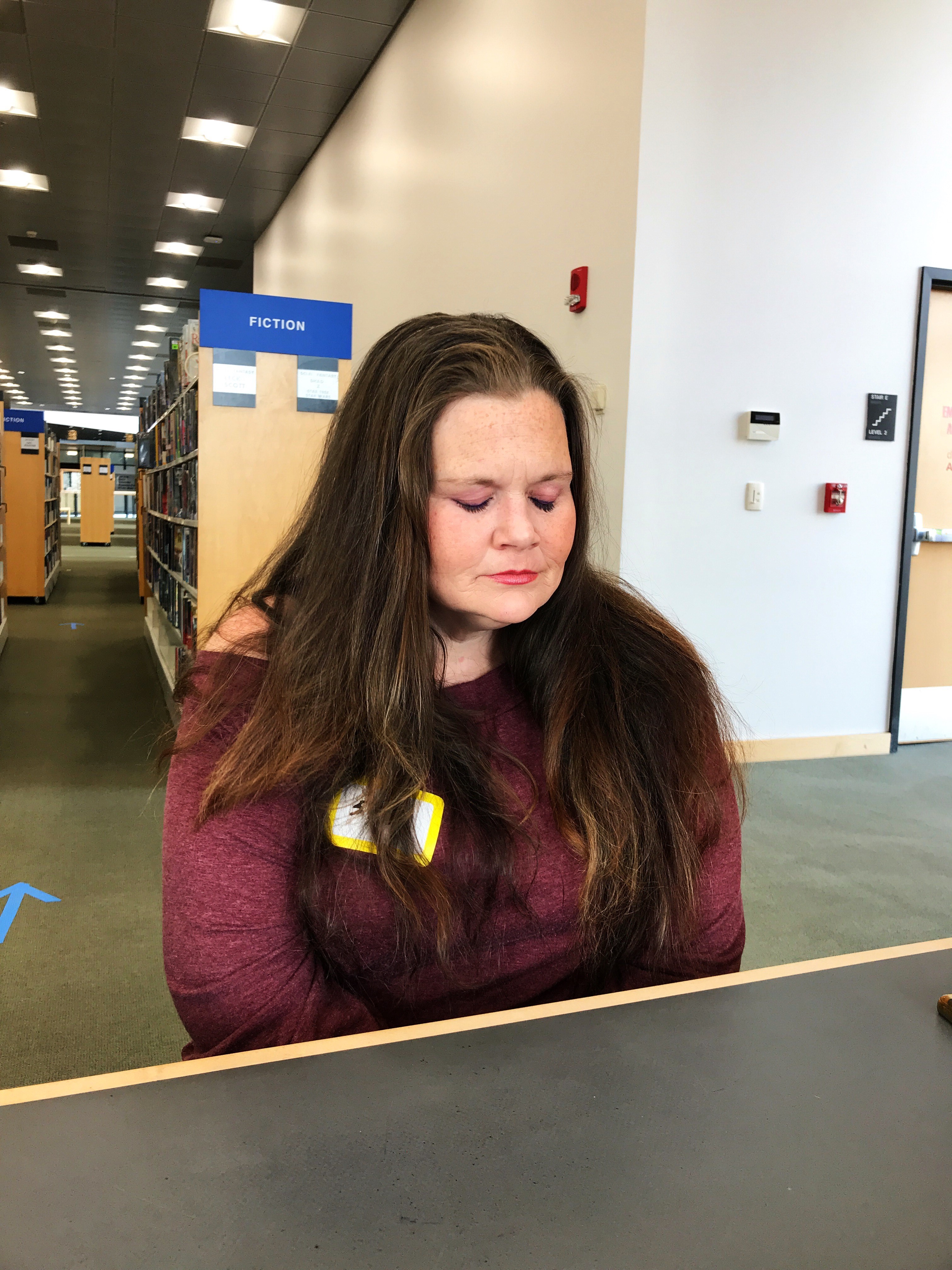
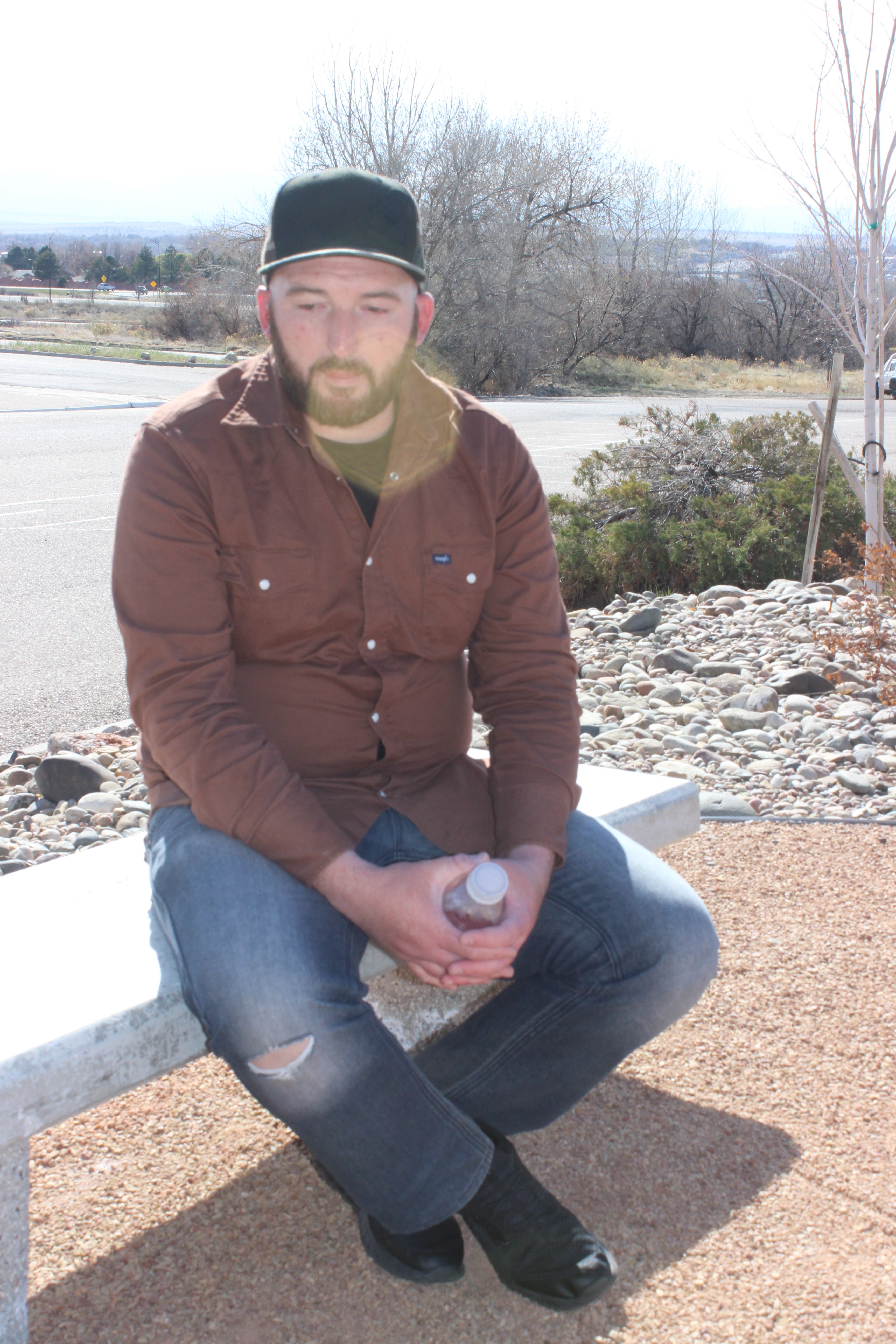
I grew up thinking I could be anything. When I couldn’t quit by myself … that was the stigma, that I can’t quit.
This is a disease not a moral failing.
You tell yourself you’ll only use one more time, you’re only 20. Then you’re 25. Do something NOW.
If I hadn’t been so embarrassed and put the stigma on myself, I wouldn’t have wasted a decade.
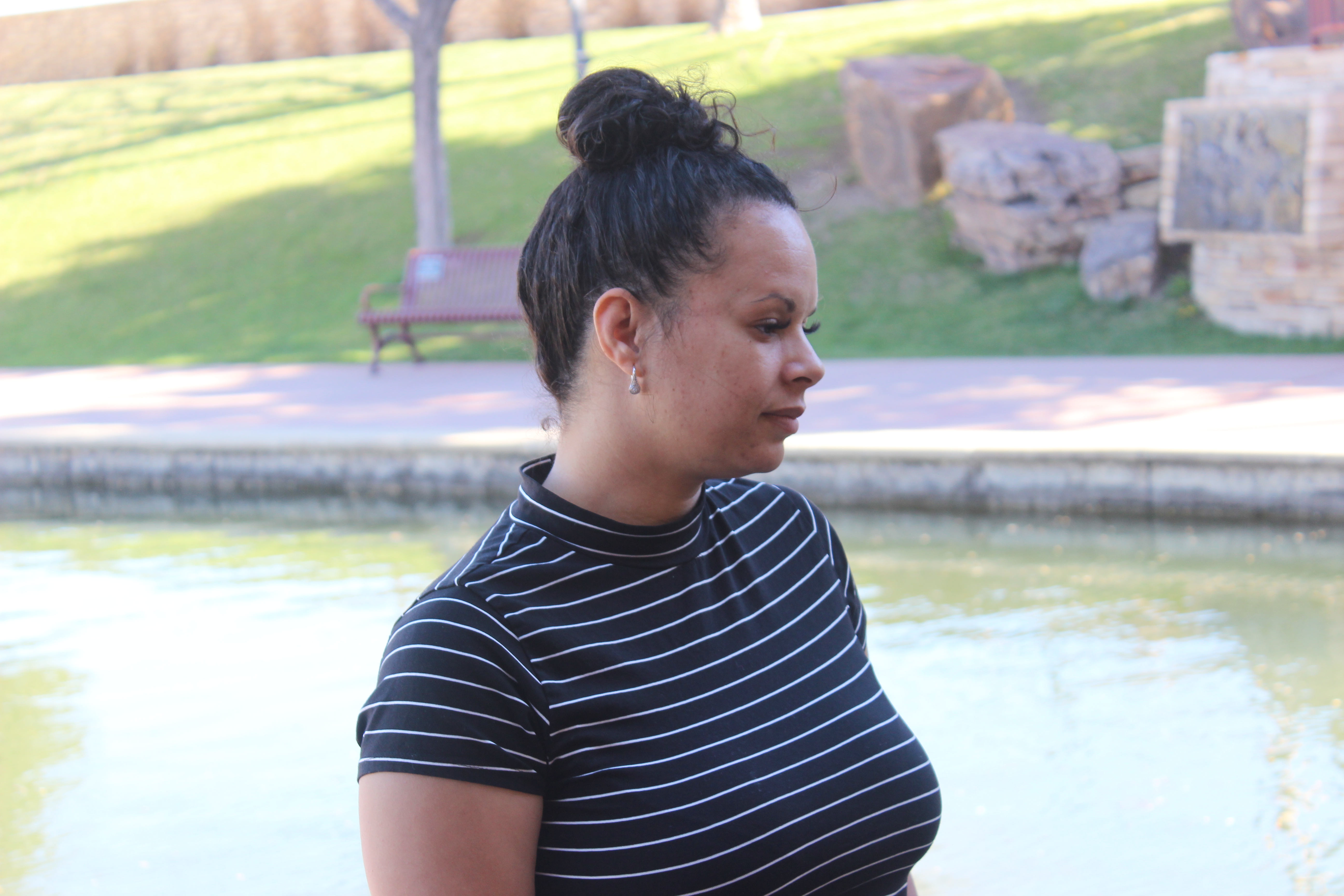
We need to identify who is good for us, and who is not. We have to be able to do that, or we feed the fear that we’re going to be alone.
You are not alone.
You have to take the step to include other people in your life. Who are your roots, not the dead leaves still hanging on the tree.
When I had to bury my 21-year-old son, I hit my bottom
Don’t let substances be your escape.
You must face your mental health issues which is a big part of recovery.
All the trauma, and abuse that you have to deal with to overcome your addiction, you can't do it alone.
It’s incredible how life can be one miracle after another if we choose to pay attention, and this is especially so with a grateful heart;
We CAN recover! We DO recover!
Be well and do good things!
I have learned throughout many years if you truly and genuinely want change in your life, only you have the willpower to do so.
I was being labeled an alcoholic. Even though I came from a family of heavy drinkers, I never wanted that label.
My little house had a huge picture window. Unfortunately, across the street was a liquor store. I was crying, begging for help from the Universe.
I am going to die if I do? Am I going to die if I don’t?
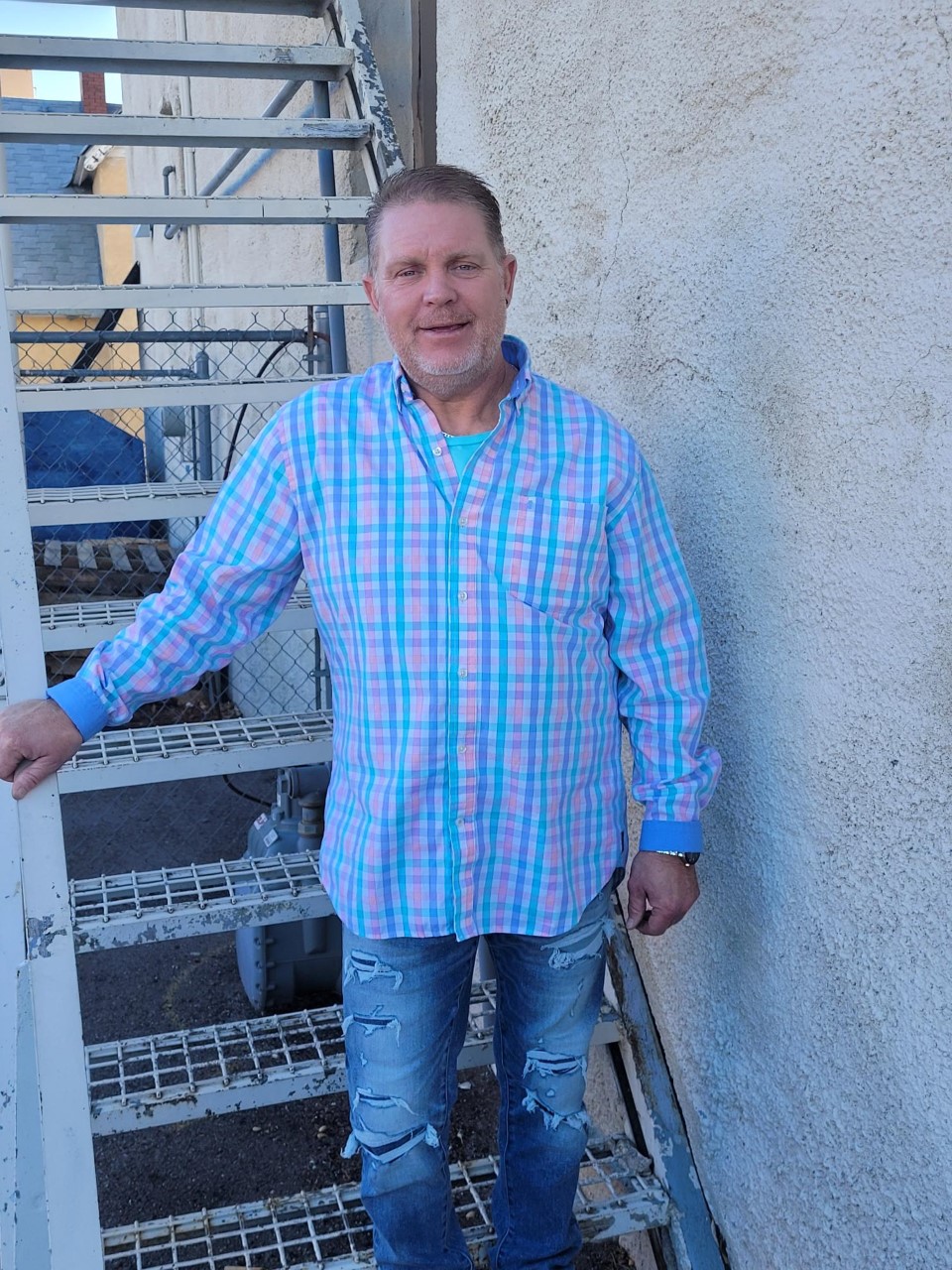
I was homeless for seven years due to my addiction.
Heroin, Fentanyl, and meth stole the core values I was raised with.
My addiction took my entire family and my career from me.
Today I live in a sober living home and God has given me a blessed life in sobriety.
April 14th, 2022 is my sober date!
It is such a better way to live!
Nothing is Impossible.
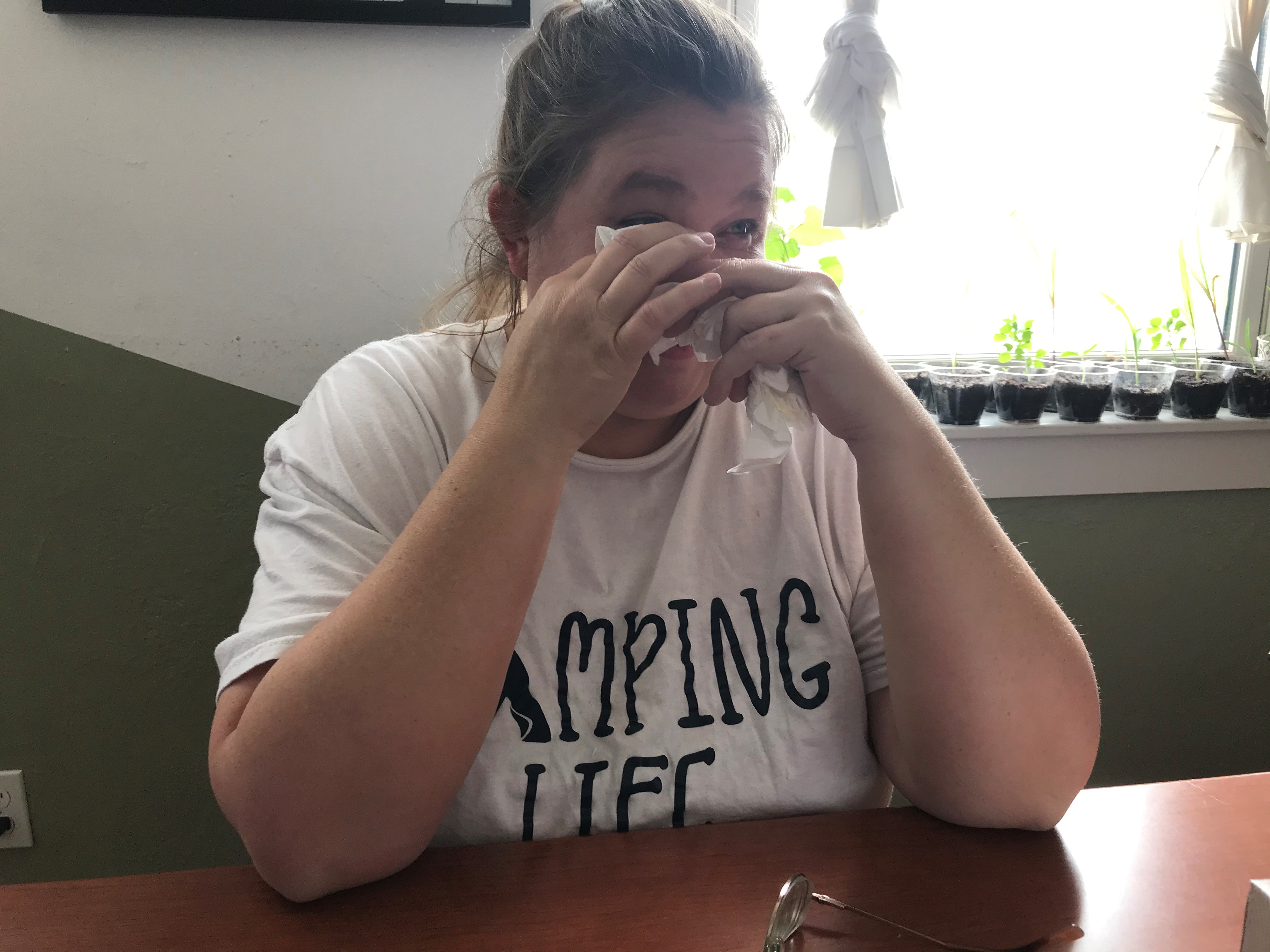
Our drug use was out of control. There was domestic violence, and I ended up leaving. Within two months he overdosed (died).
When someone dies of natural causes the reaction someone has is different that the reaction someone has when it’s a drug overdose.
It’s okay to not be okay. Reach out. There are people who care.